Home Office Desks & Chairs6 min ·
A home office that doesn’t hurt
Desk height, chair geometry and the minimum kit for working eight hours without paying for it.
Most home offices are assembled backwards: a desk that fits the alcove, a chair that matches the desk, and a body that has to fit whatever’s left. Ergonomics runs the other way — start from the sitting body and buy outward.
01The geometry, in four numbers
- Elbows at 90° with shoulders relaxed sets your desk height. For most people that’s 72–75cm — conveniently the standard — but if you’re under 165cm or over 185cm, standard is exactly wrong; an adjustable chair bridges the gap.
- Screen top at eye level, roughly an arm’s length away. A laptop alone can’t do this; a stand or monitor is the single highest-value purchase on this list.
- Feet flat on the floor with thighs level. If raising the chair for your elbows lifts your heels, add a footrest rather than lowering the chair.
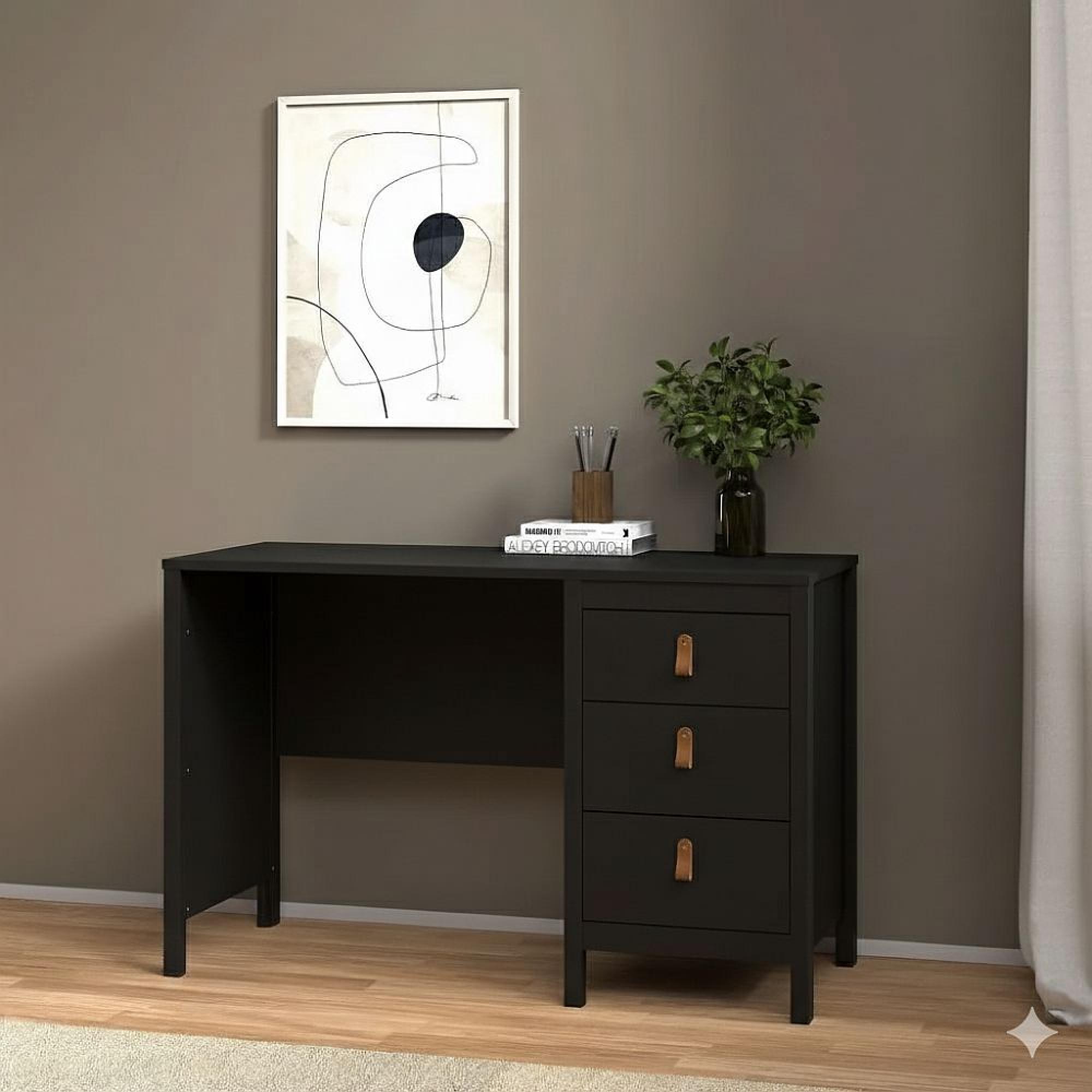
- Knee clearance: at least 60cm wide and 65cm deep under the desk. Drawers under a shallow desktop are how desks fail this quietly.
02What matters in a task chair
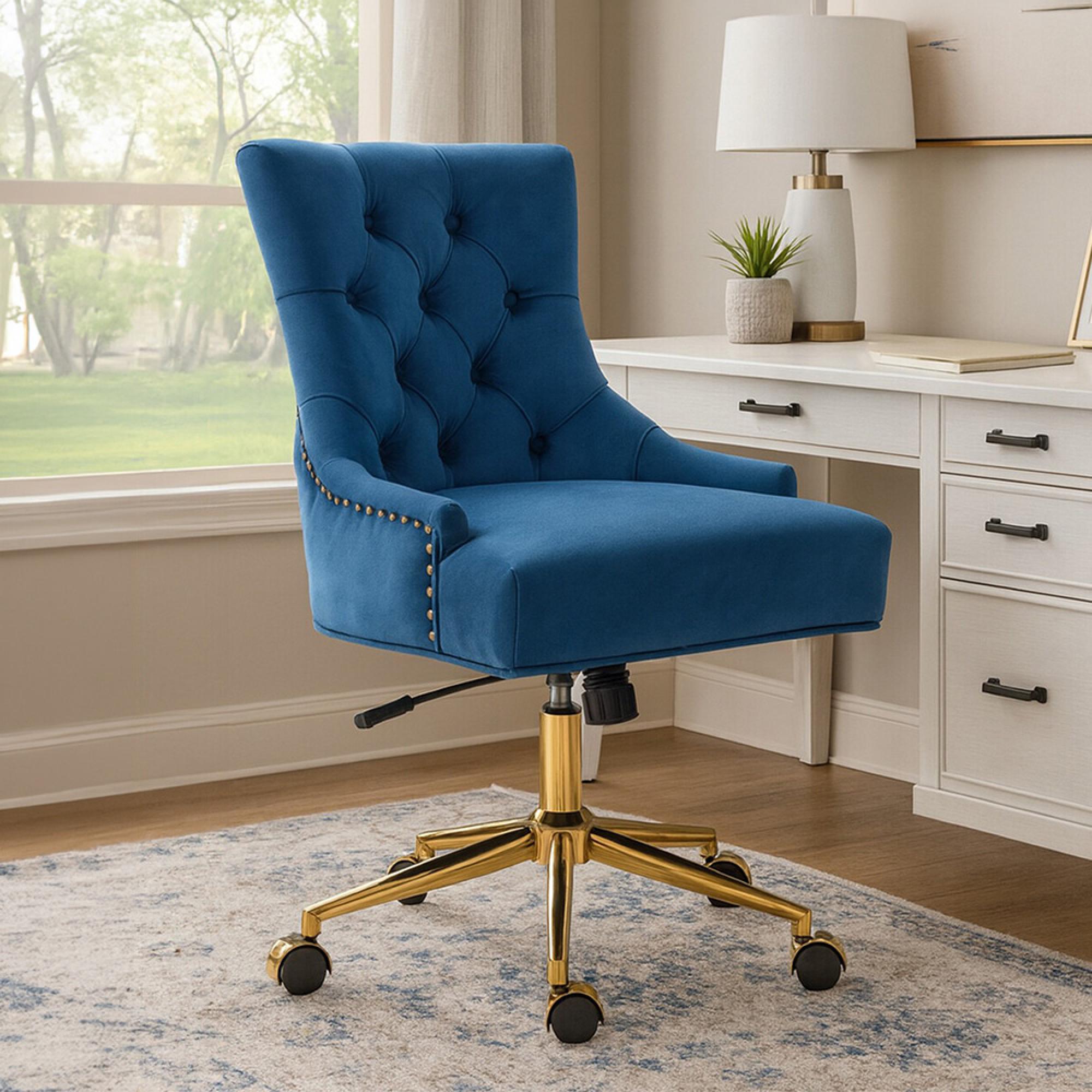
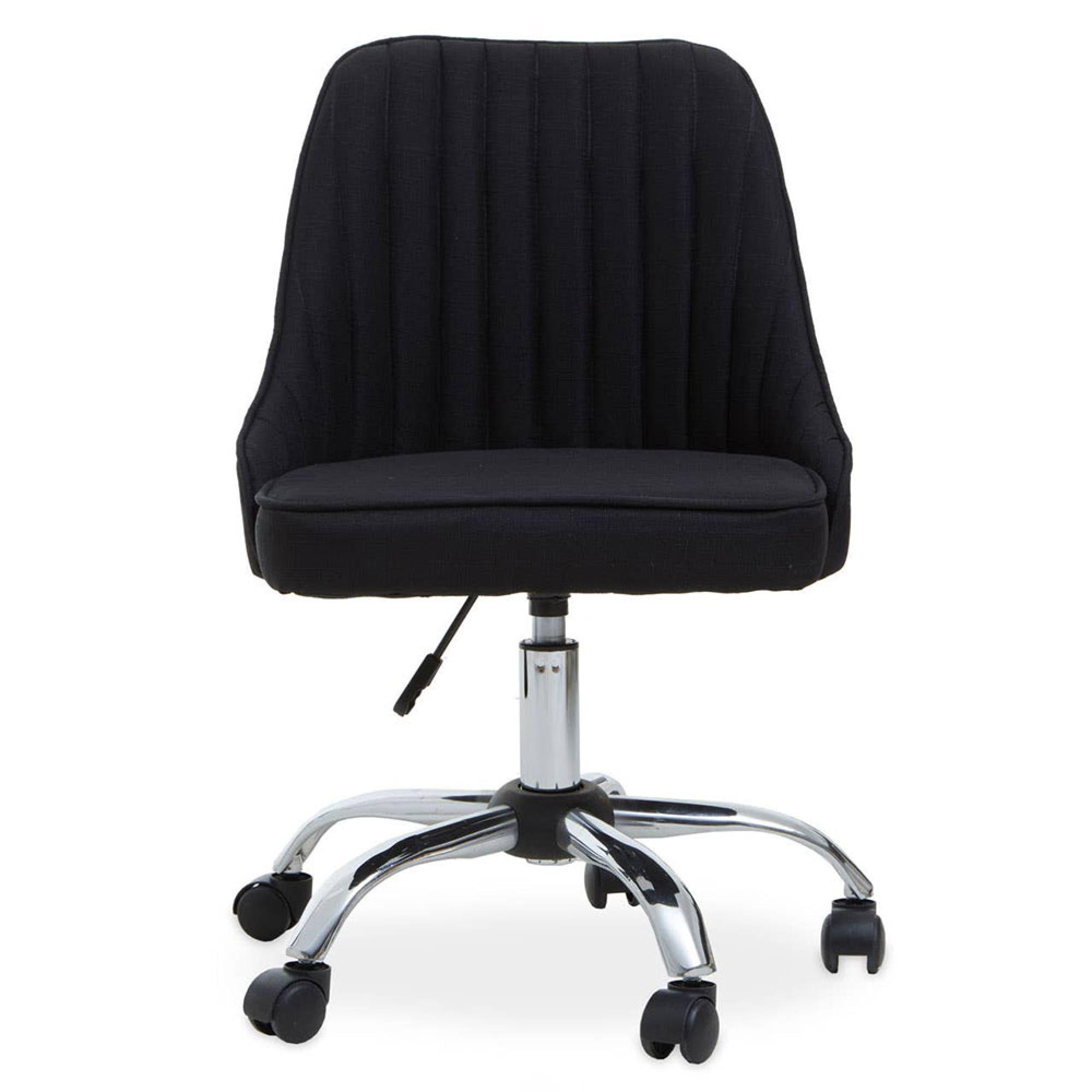
Seat-height adjustment is non-negotiable. After that, in order of real-world value: adjustable lumbar support (or a firmly curved back that hits your lower spine), a seat pan that doesn’t press behind the knees, armrests that adjust or get out of the way, and a breathable back for anyone who runs warm. Headrests and heavy recline mechanisms are comfort theatre for most desk work.
A dining chair with a cushion is fine for the occasional email and a repetitive-strain plan for the full-time. If the budget forces a choice, spend it on the chair and put the laptop on a stack of books.
03Desk size and shape
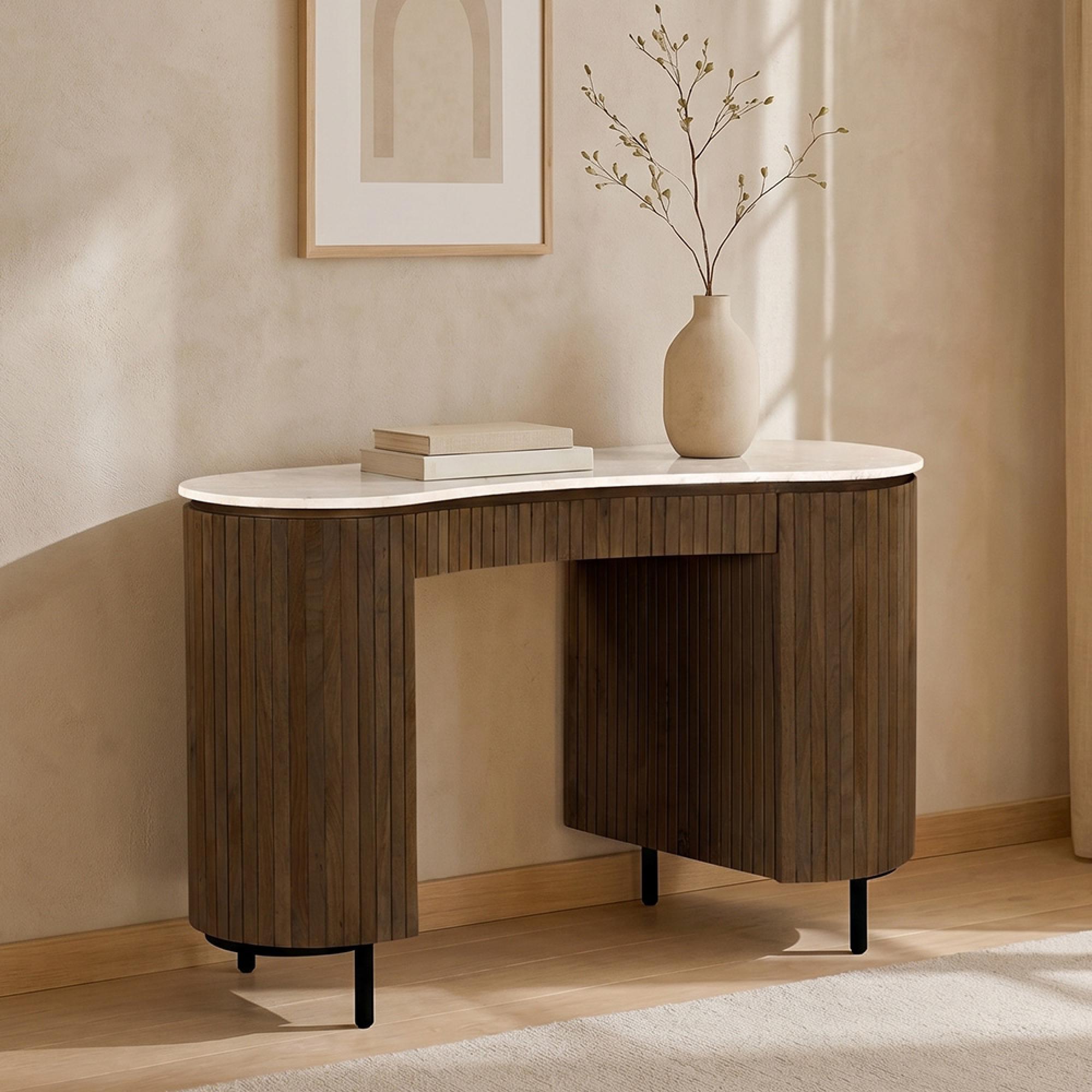
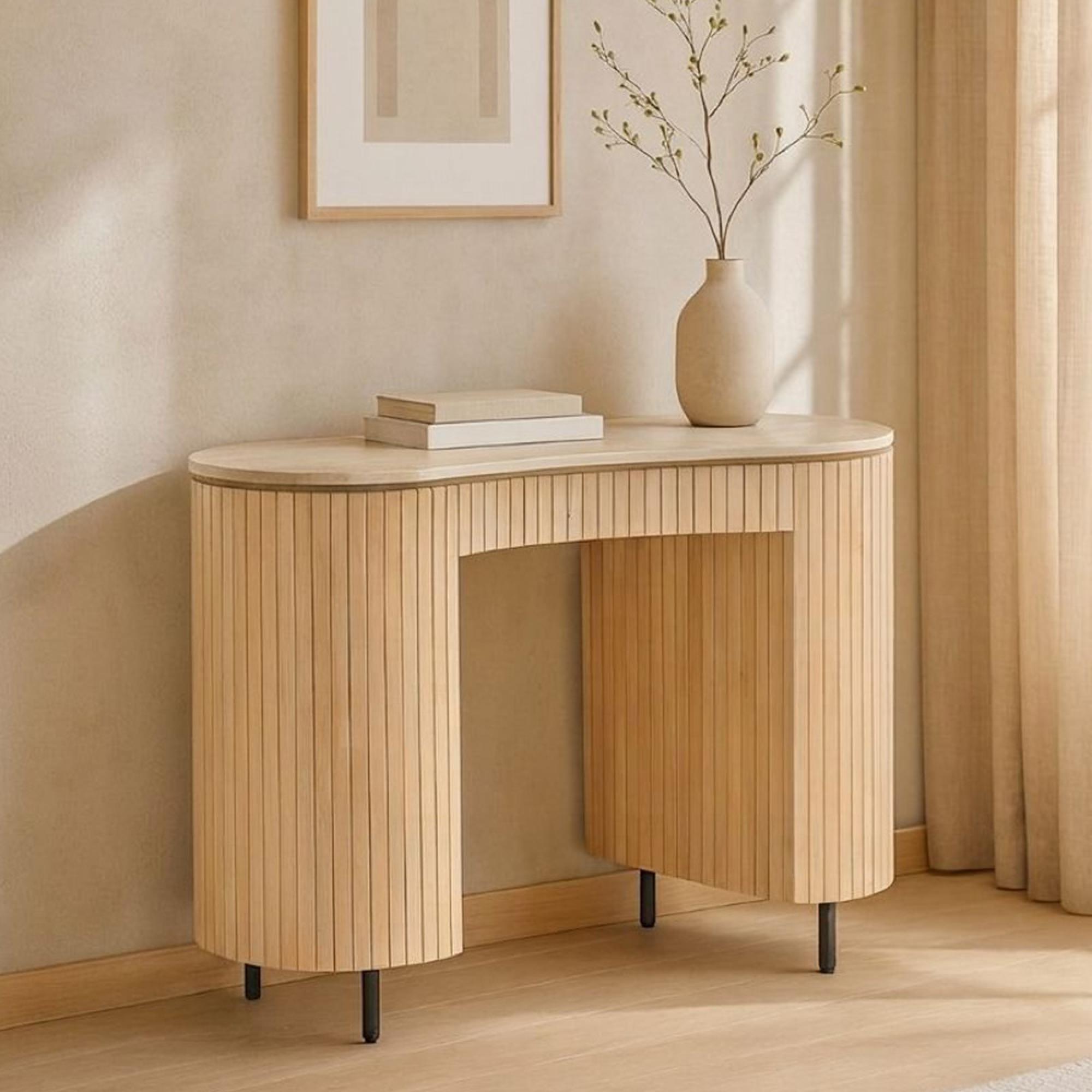
120×60cm runs a laptop-and-monitor setup with room for a notebook; 140×70cm is the comfortable standard; below 100cm wide you’re on a shelf, not at a desk. Corner desks harvest otherwise dead space but lock the room’s layout. Sit-stand desks are worth it for people who will actually stand — the honest test is whether you already stand for calls.
04The room around the desk
- Face the light, or put it beside you — a window behind the screen fights your eyes all day.
- Cable spaghetti is a solved problem: one under-desk tray or even a taped cable run changes the whole corner.
- If the office lives in a bedroom or lounge, a desk that closes — bureau, secretary, or one with a monitor you can hide — buys the evening back.