Bookcases & Shelving5 min ·
Shelves that look curated, not cluttered
Buying the right bookcase for the wall you have, and the simple ratios that make shelves look intentional.
A bookcase is bought once and looked at daily for years, usually holding twice what it was styled with in the showroom. The buying decisions are structural; the styling ones are ratios. Both are learnable.
01Buying: three structural checks
- Shelf span: solid wood shelves hold a full row of books across 80cm; MDF and veneered chipboard start to smile past 60–70cm. If the listing shows shelves longer than that with no centre support, expect sag.
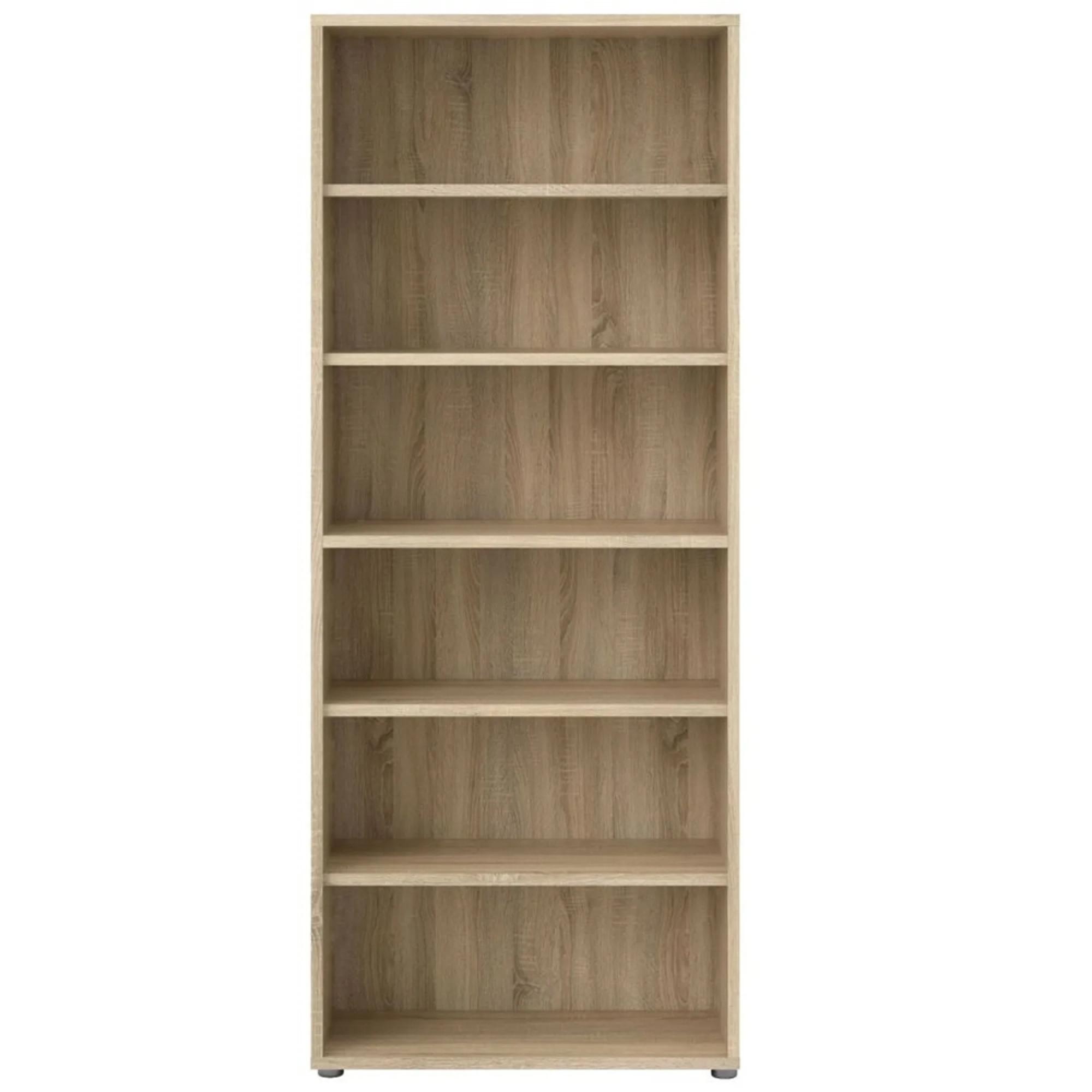
- Depth: 25–30cm takes almost every book made; 35cm+ is for records, boxes and display. Deeper is not better — it just breeds double rows.
- Fixing: any bookcase above waist height wants an anti-tip strap into the wall, non-negotiable with children in the house. Check the back panel takes a fixing.
02The 60/30/10 shelf
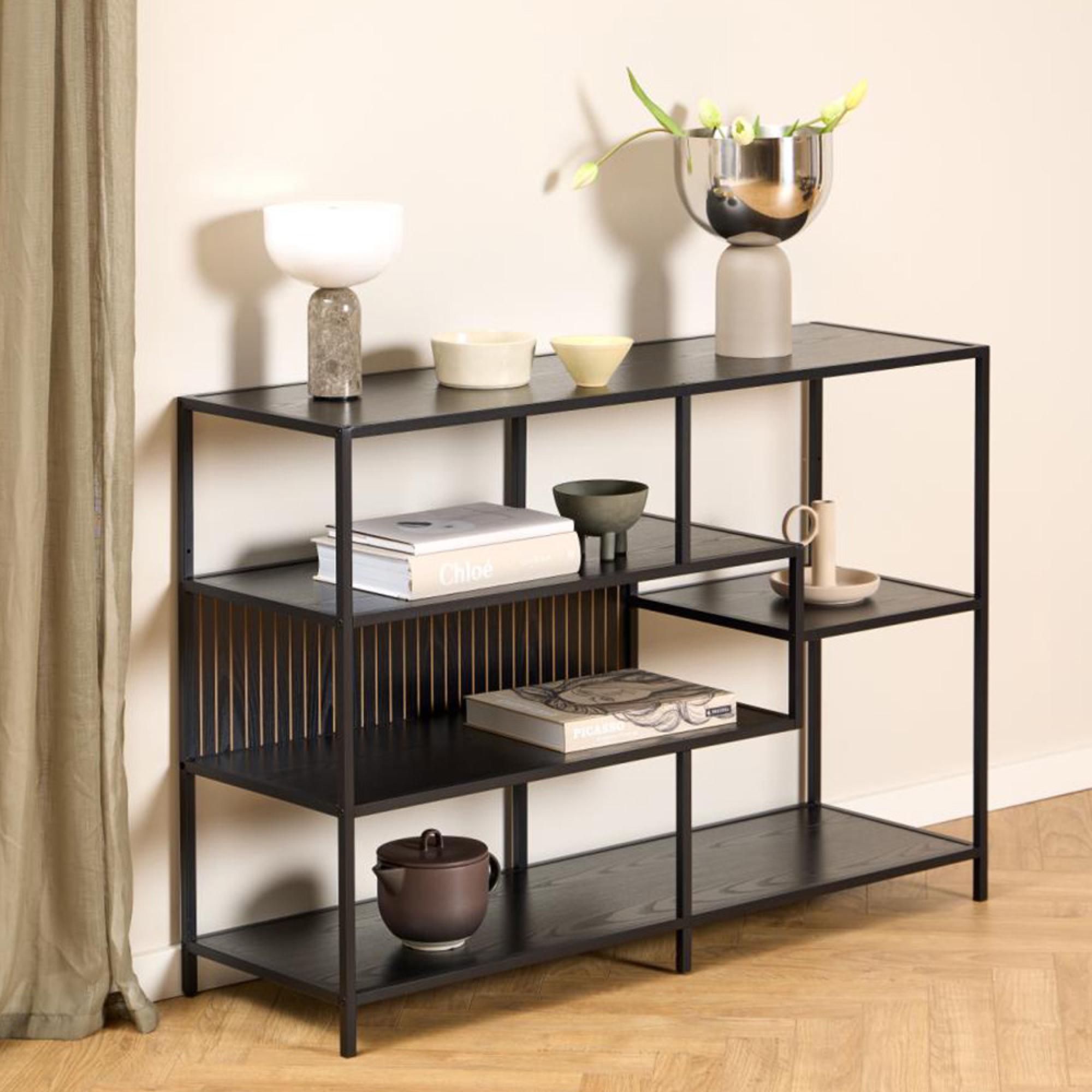
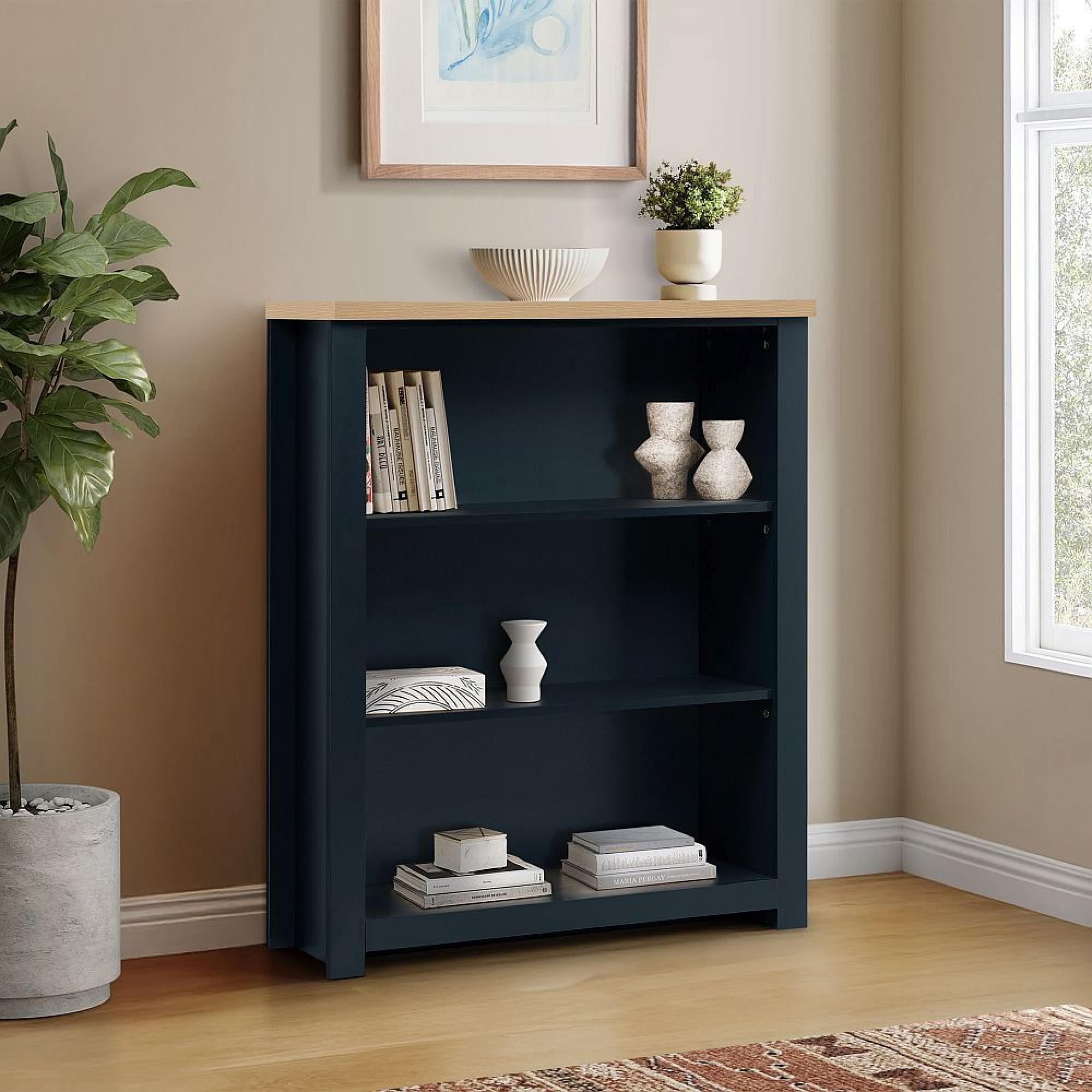
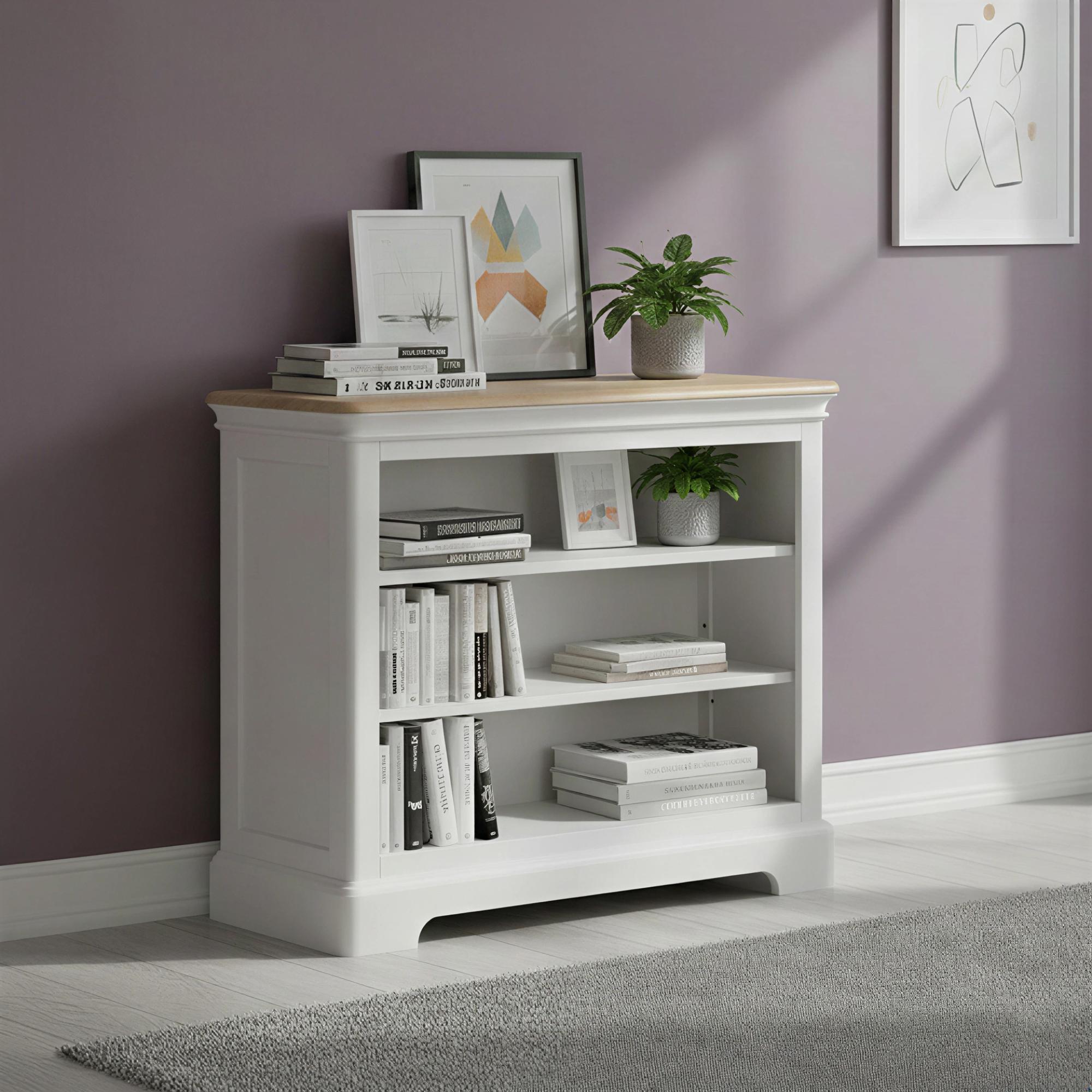
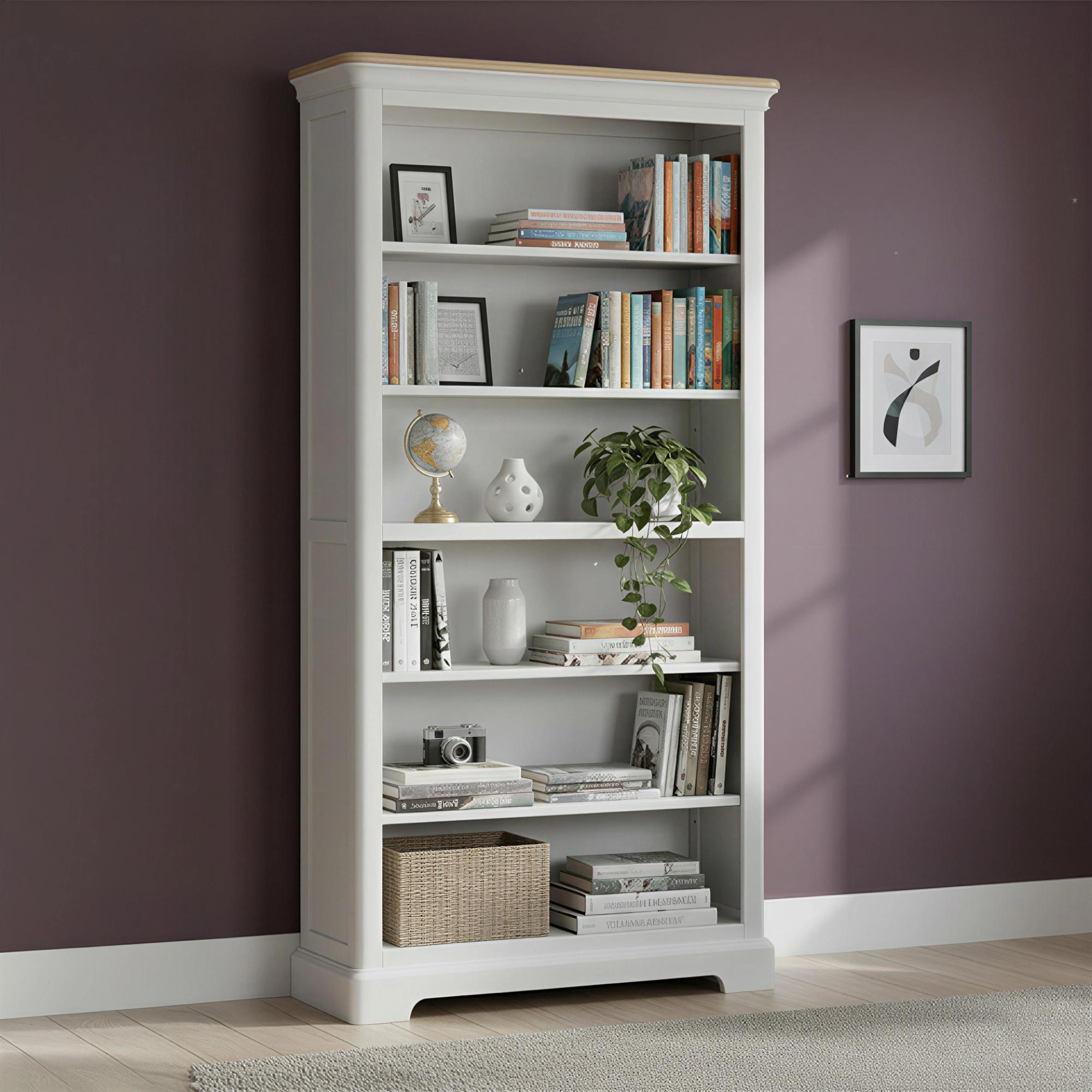
The ratio decorators actually use: about 60% books, 30% objects, 10% empty. Books stacked both vertically and horizontally — the horizontal stacks work as bookends and plinths. Objects that earn shelf space are ones with height or shape: a vase, a bowl, a small framed print. The empty 10% is what reads as “curated”; a full shelf reads as storage.
03Weight sinks, light floats
Put visual weight — big art books, boxes, baskets — on the lowest shelves and let the top shelves carry the lighter, smaller pieces. It’s more stable in fact and looks more stable, which matters nearly as much. Group objects in odd numbers and vary heights within a group; pairs read as symmetry, and symmetry on shelves reads as a hotel lobby.
04Open, closed, or ladder
- Fully open shelving shows everything, including the dust — it suits people whose books are the décor.
- Half-closed units (doors below, shelves above) hide the printer and board games where they can’t undermine the styling.
- Ladder and leaning shelves are the light-touch option for rentals: small footprint, no fixings visible, and they move house well.