Bedside Tables4 min ·
Bedside tables: small piece, exact rules
The right height, the right depth, and why the drawer matters more than the style.
No piece of furniture has a narrower job description than the bedside table: hold a lamp, a phone, a book and a glass of water, within arm’s reach of a person lying down. That precision makes the rules simple.
01Height: level with the mattress top
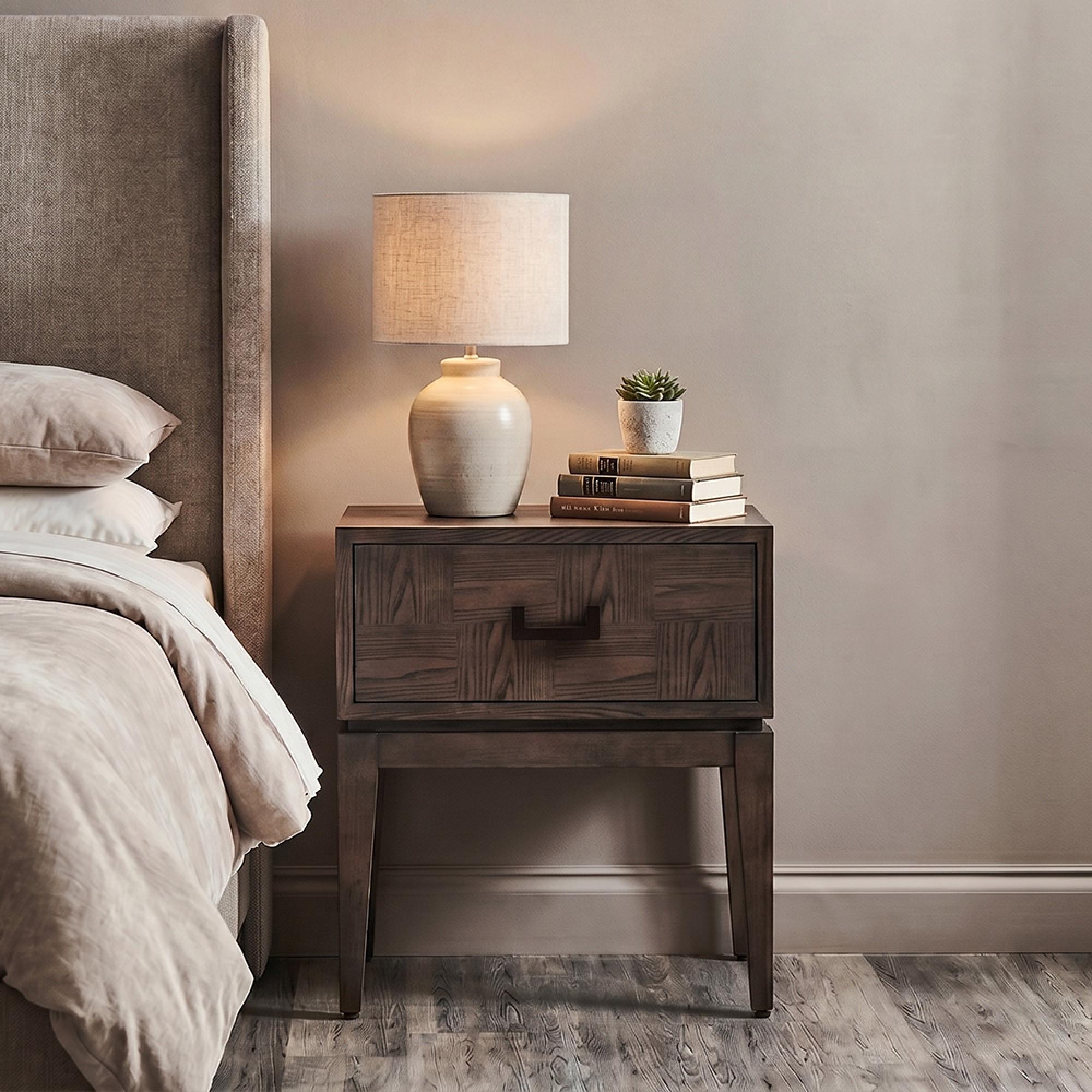
Match the table top to the top of your mattress, give or take 5cm — for most divans and framed beds that means 55–65cm. Too low and everything on it disappears from a lying position; too high and reaching for water is a shoulder exercise. Measure your mattress top before shopping — bed heights vary wildly.
02Depth and the walkway
In most bedrooms the constraint isn’t the table, it’s the walk past it. A depth of 35–40cm holds everything the job requires; 45cm+ starts stealing the route to the wardrobe. Width can flex with the wall you have — 40–50cm is the sweet spot for a double bed with two tables.
03Why the drawer wins
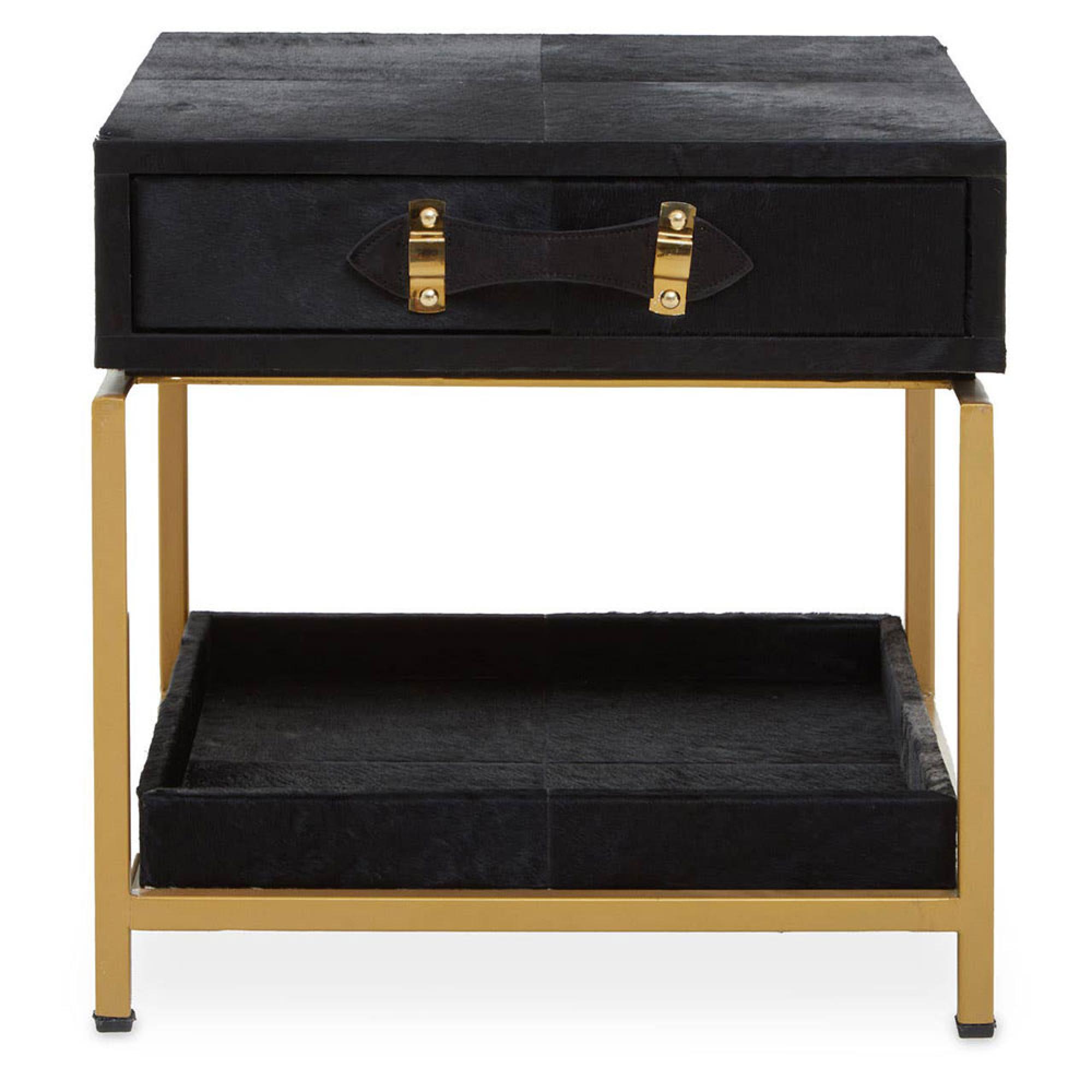
An open shelf displays clutter; a drawer absorbs it. If you charge devices overnight, look for tables with a cable slot at the back, or drill-free space behind. One drawer plus one open shelf is the most useful configuration made — the drawer for the private clutter, the shelf for the book stack.
04Mixing, not matching
- Two identical tables give a hotel calm; it’s the safe default.
- Mismatched tables work when they agree on one thing — height, wood tone, or hardware.
- A wall-mounted shelf is the small-room escape: full function, zero floor.